Overview
All Topics at a Glance
Which external risks could affect your business? SignalChain monitors official sources for individual hazard types every day and assesses what they could mean for specific industries.
Supply Chain, Procurement and Risk Management

Business risks
Weather, energy, supply chains and regulation: the external events that can affect a business from outside – at a glance.
Learn more →
Supply chain risks
A supply chain risk rarely originates where it becomes visible. SignalChain assesses which external events could affect your supply chain.
Learn more →
Procurement risks
From transport costs to raw material availability: SignalChain monitors the external early indicators that could affect your procurement early on.
Learn more →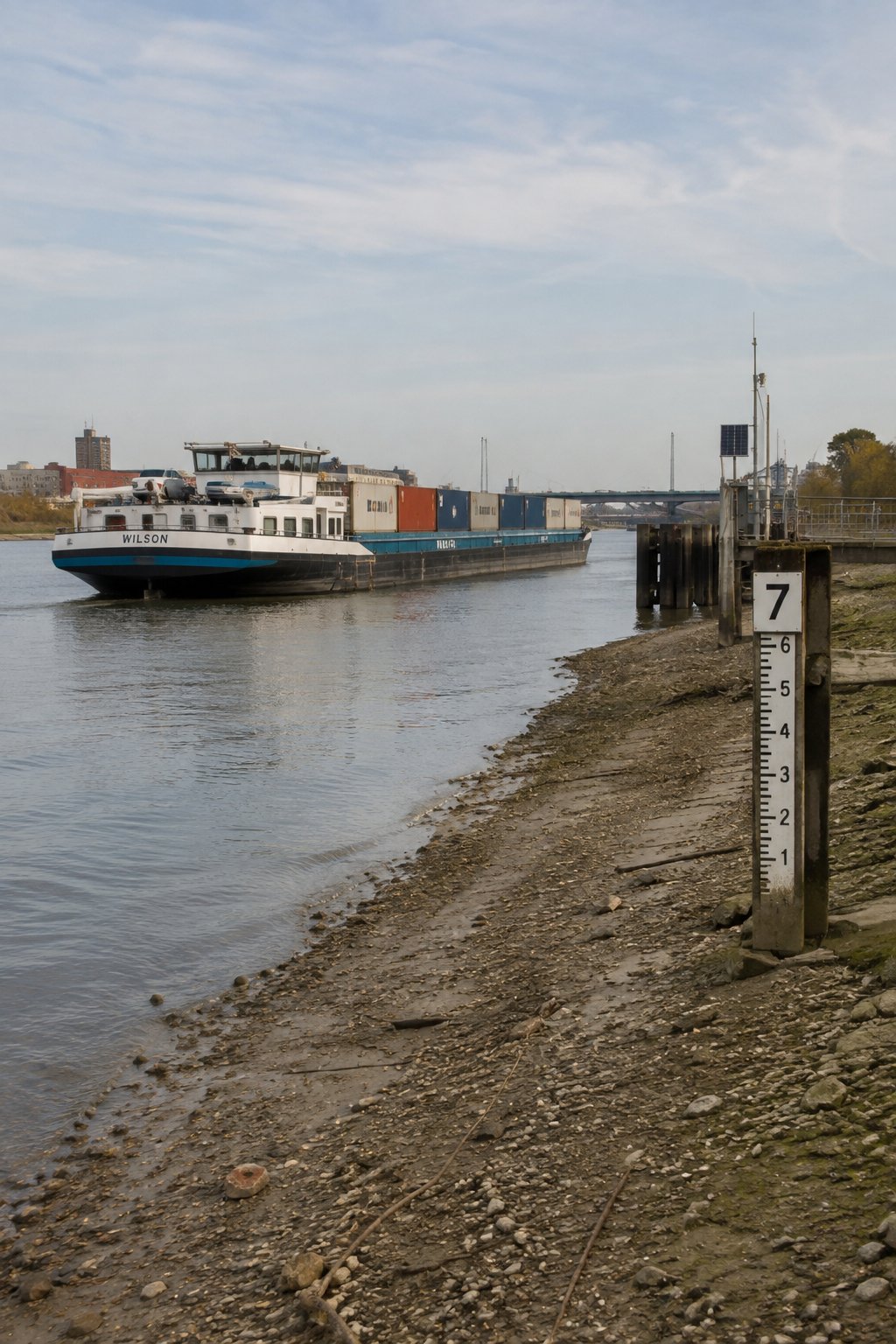
Low water as a supply chain risk
A falling water level first affects loading capacity, then transport costs and delivery times across the whole chain.
Learn more →
Supply shortages
When the available quantity no longer covers all buyers: causes, early indicators and what businesses can do about it.
Learn more →
Supply chain monitoring
Supplier metrics and external event monitoring complement each other – which approach observes what.
Learn more →
Material shortages
When a raw material, semi-finished good or component is missing that your own production needs directly.
Learn more →
Supplier failure
When a supplier can no longer deliver a promised shipment at all – causes and early indicators.
Learn more →Weather and Natural Hazards
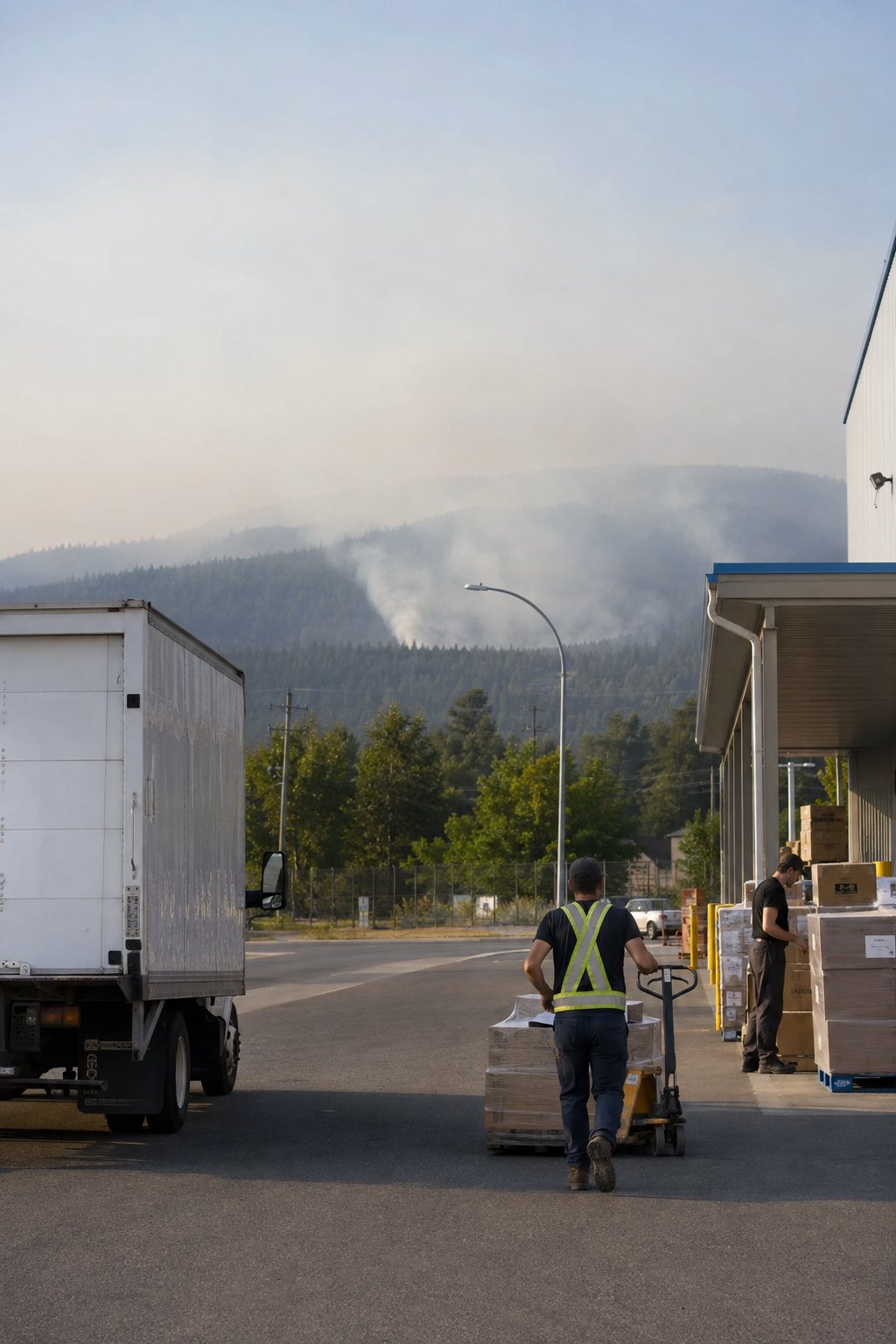
Wildfire
A wildfire becomes economically relevant when it affects transport routes, energy supply or a sourcing region for raw materials such as timber.
Learn more →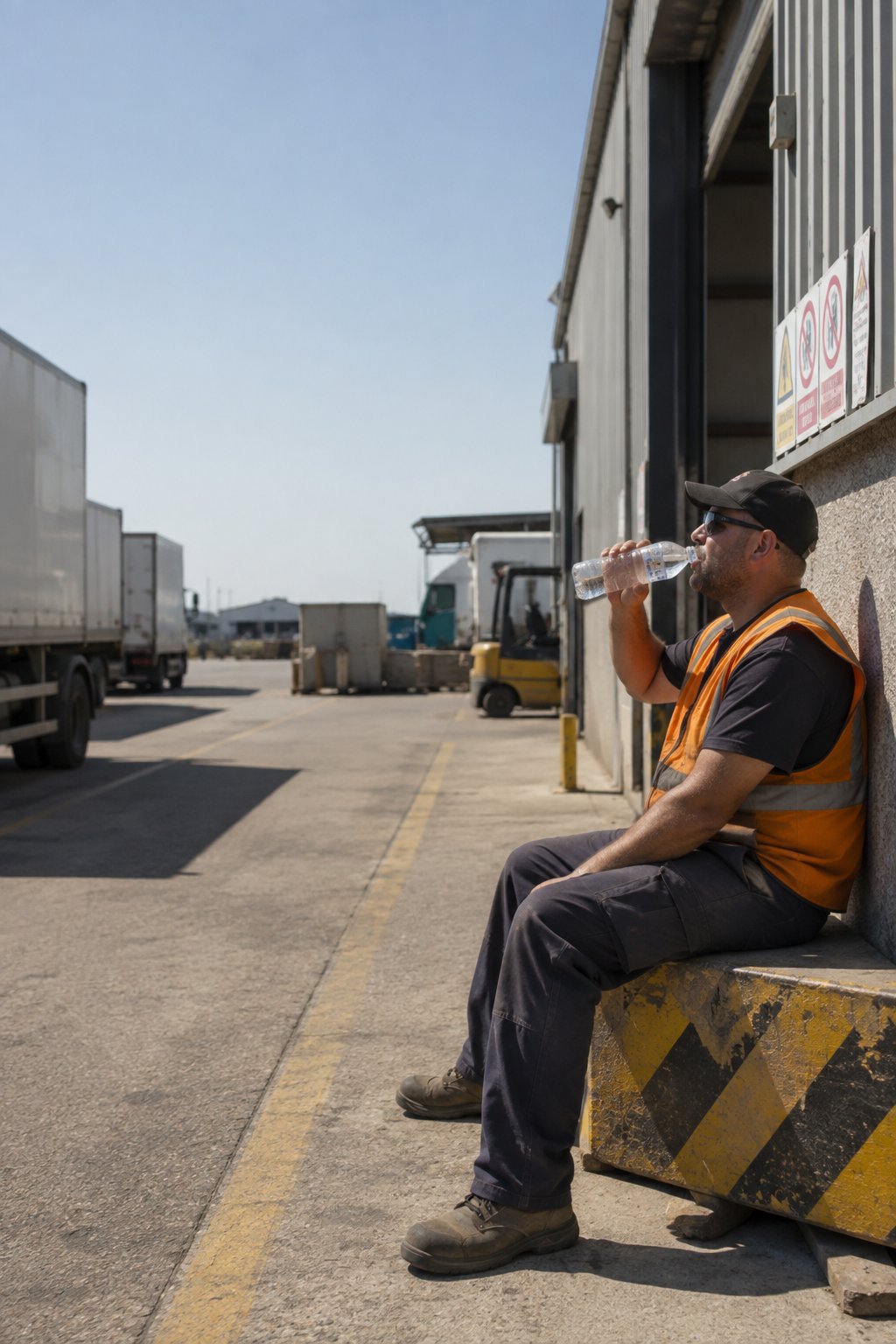
Heat
Sustained heat raises energy demand and cooling load and can lower water levels needed for cooling and transport.
Learn more →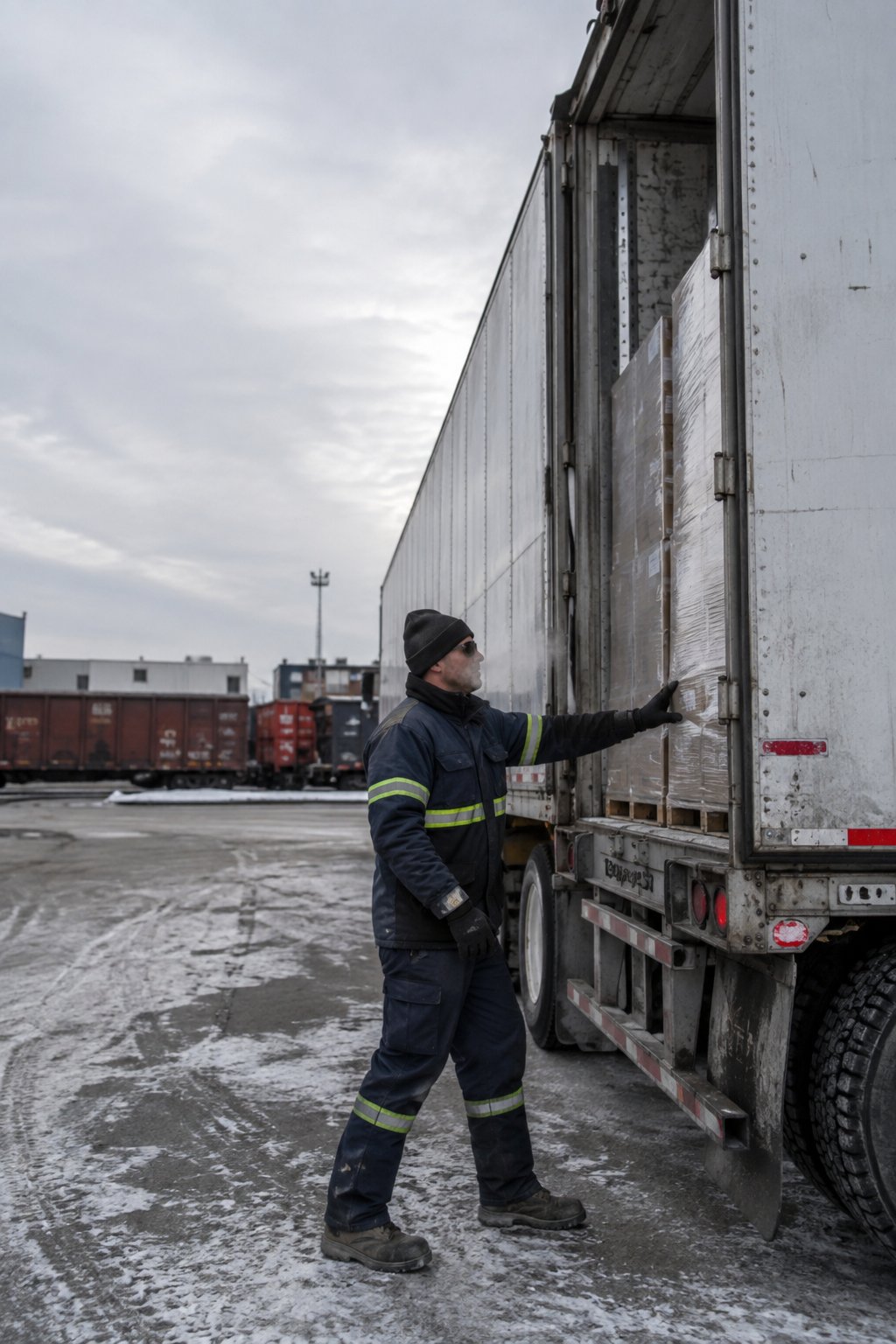
Cold and frost
Frost affects construction schedules, heating energy demand and the operability of equipment not built for low temperatures.
Learn more →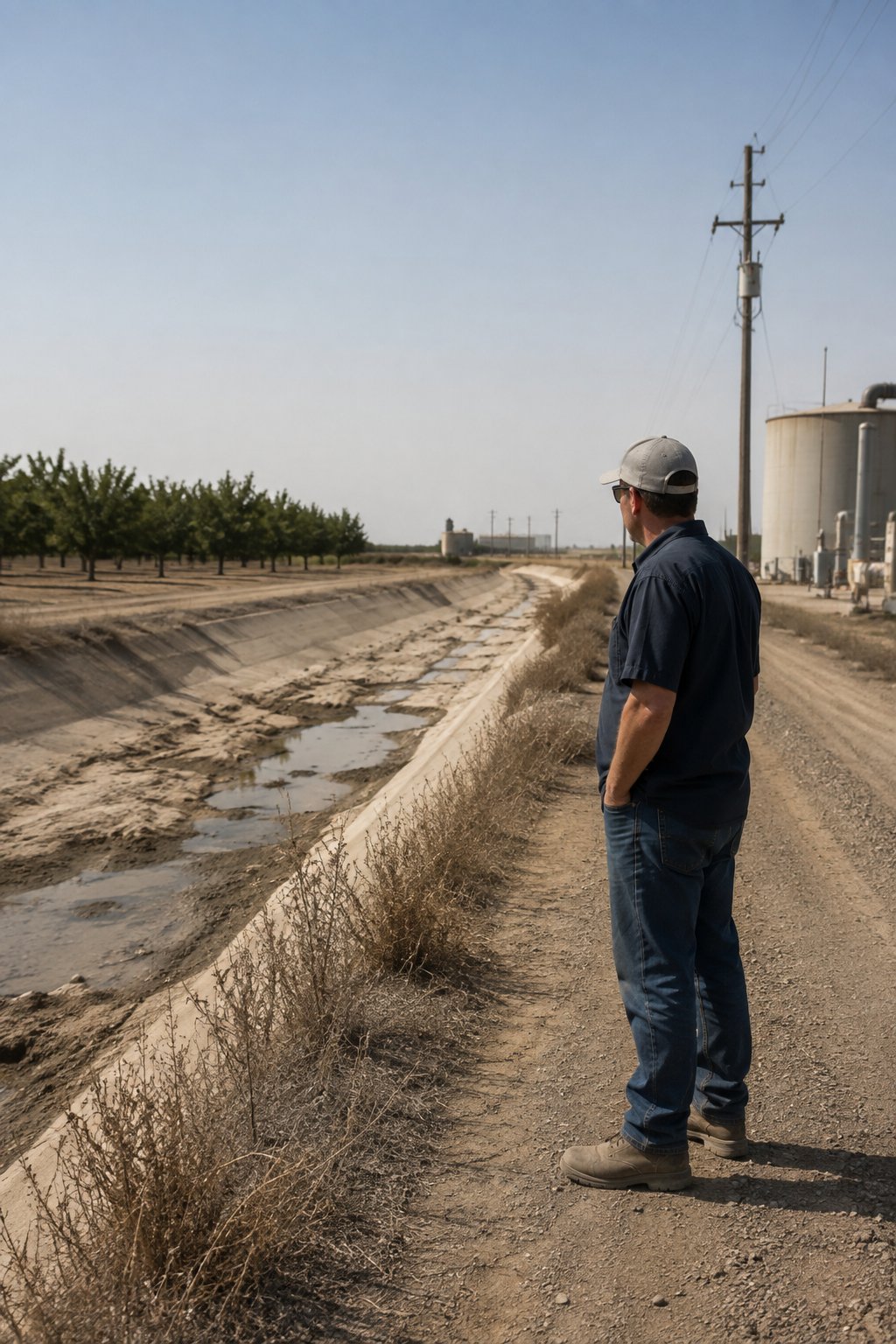
Drought and water scarcity
Sustained dryness lowers harvest yields and water levels and can regionally restrict the availability of agricultural raw materials.
Learn more →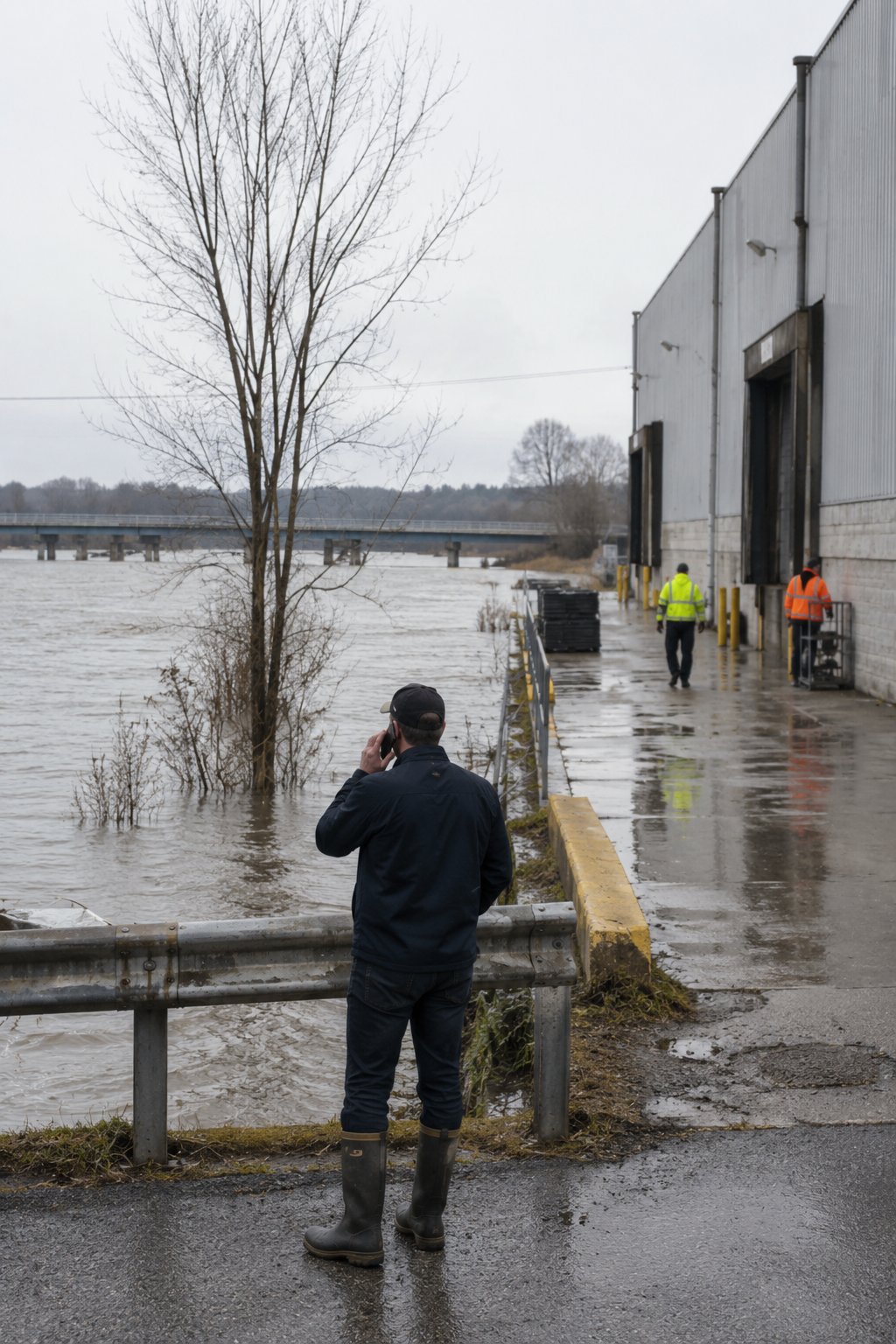
River flooding
A river above the official warning level can directly affect production sites, warehouses and transport routes in the affected region.
Learn more →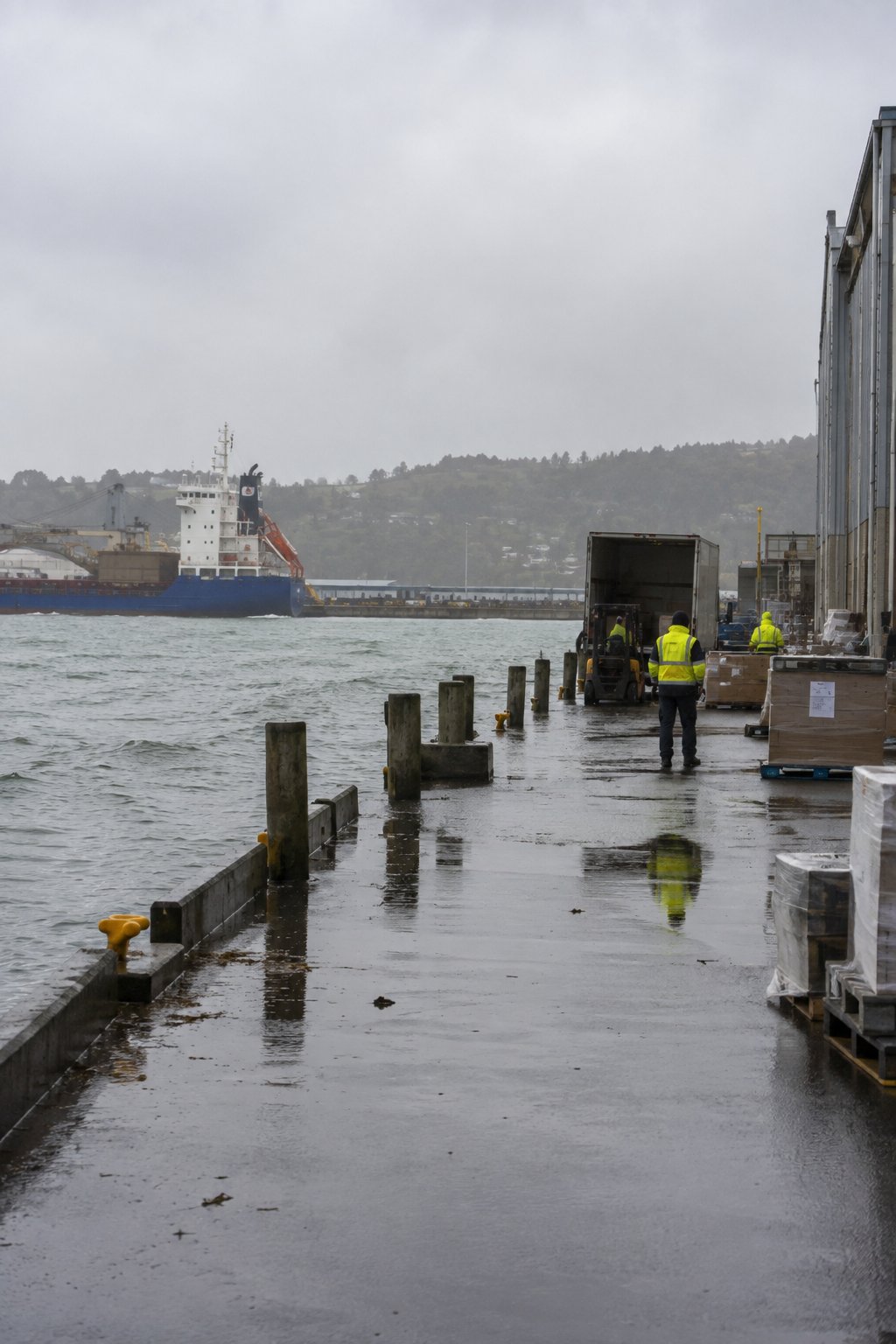
Coastal flooding and storm surge
A storm surge can temporarily close or damage ports, coastal sites and adjoining transport routes.
Learn more →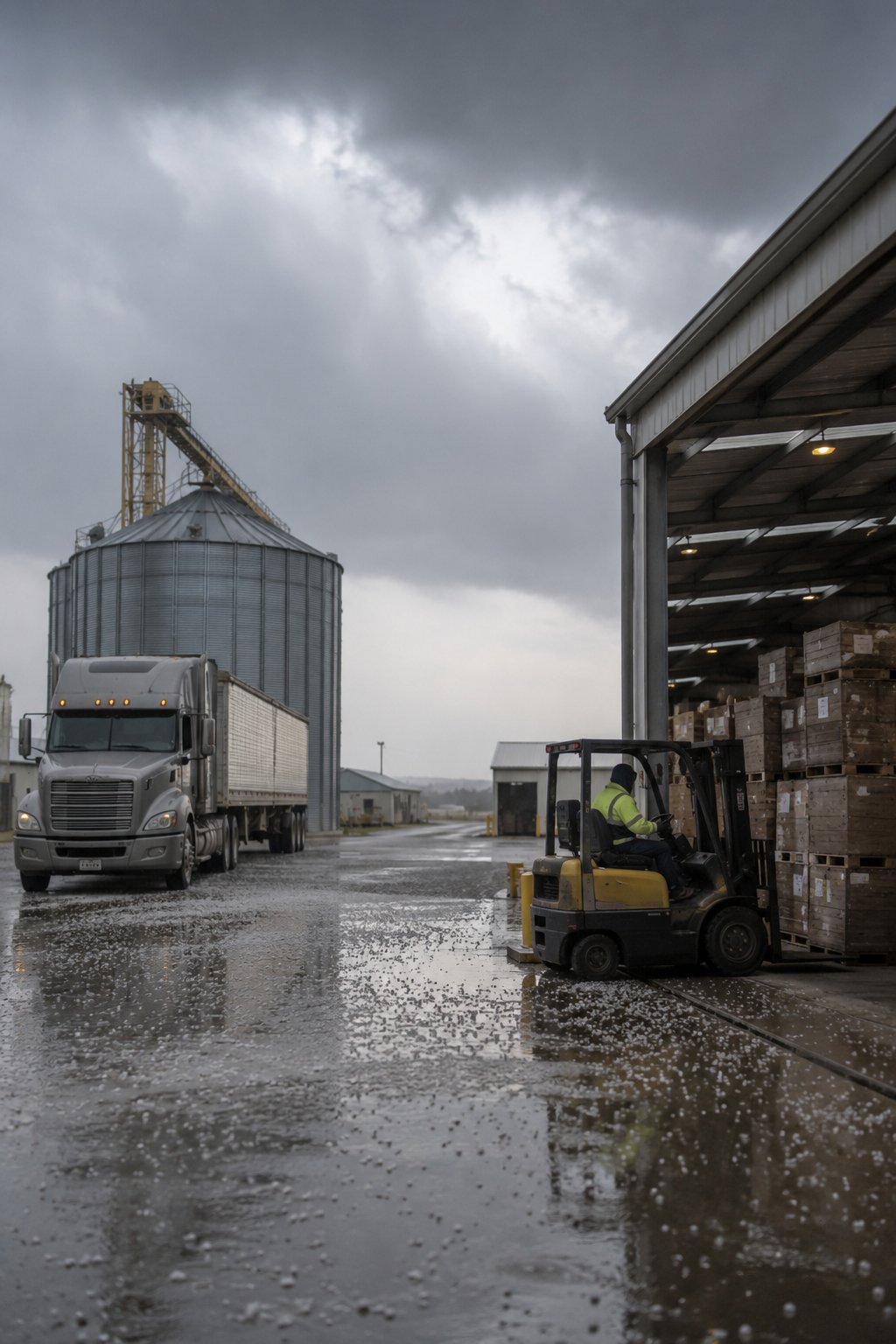
Storm and hail
Storms and hail can close transport routes, damage buildings and restrict outdoor work.
Learn more →Low water
When a gauge falls below the economically relevant mark, inland shipping loading capacity drops and transport shifts to costlier routes.
Learn more →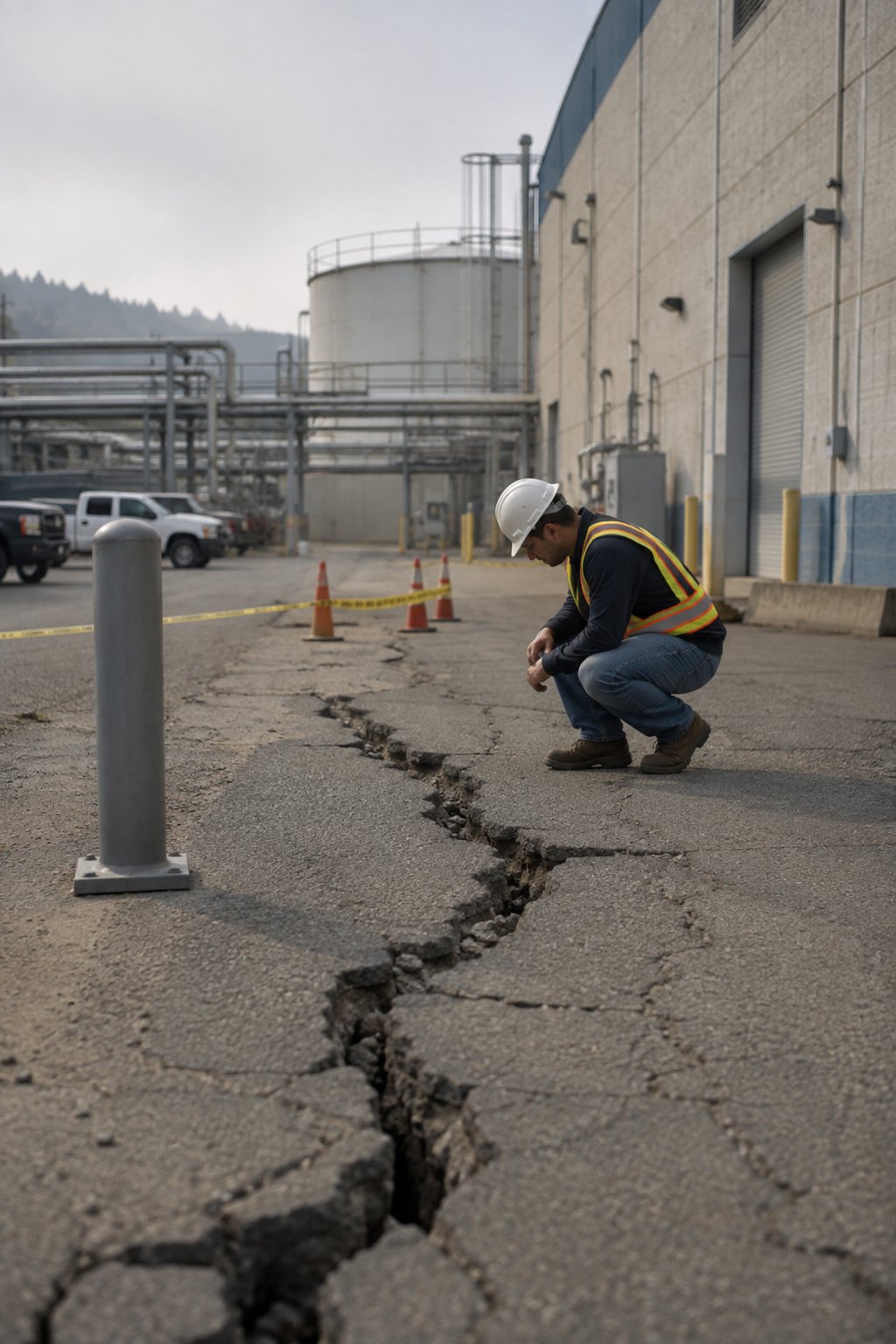
Earthquake
An earthquake in a production region can damage plants, ports or suppliers and cause international intermediates to become scarce in the short term.
Learn more →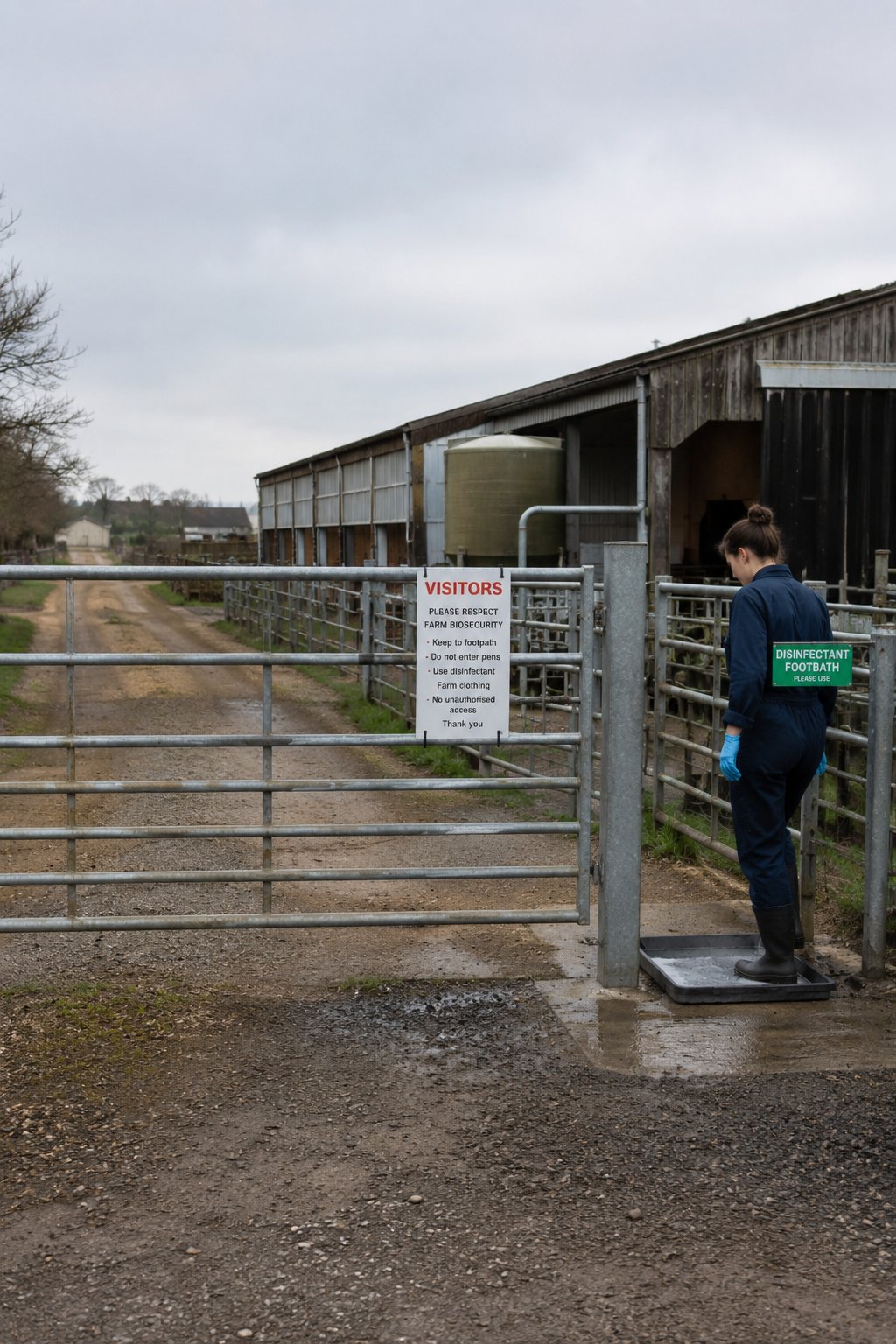
Animal disease
An official exclusion zone following an animal disease outbreak can restrict export, trade and sourcing of agricultural goods from the affected region.
Learn more →Energy, Infrastructure and Trade
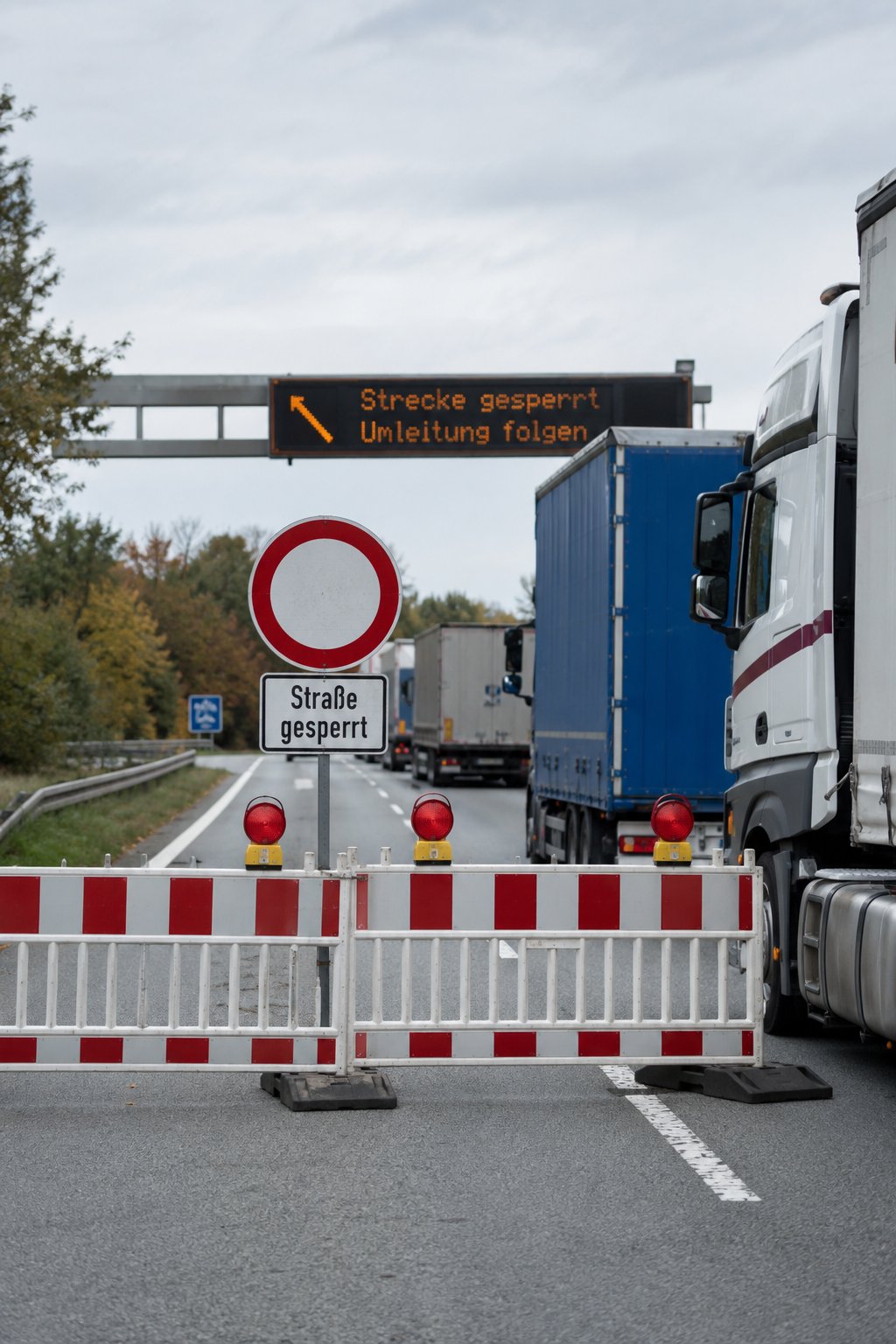
Traffic closures
A closed road, rail line or port delays transport on the affected corridor and raises the cost of detours.
Learn more →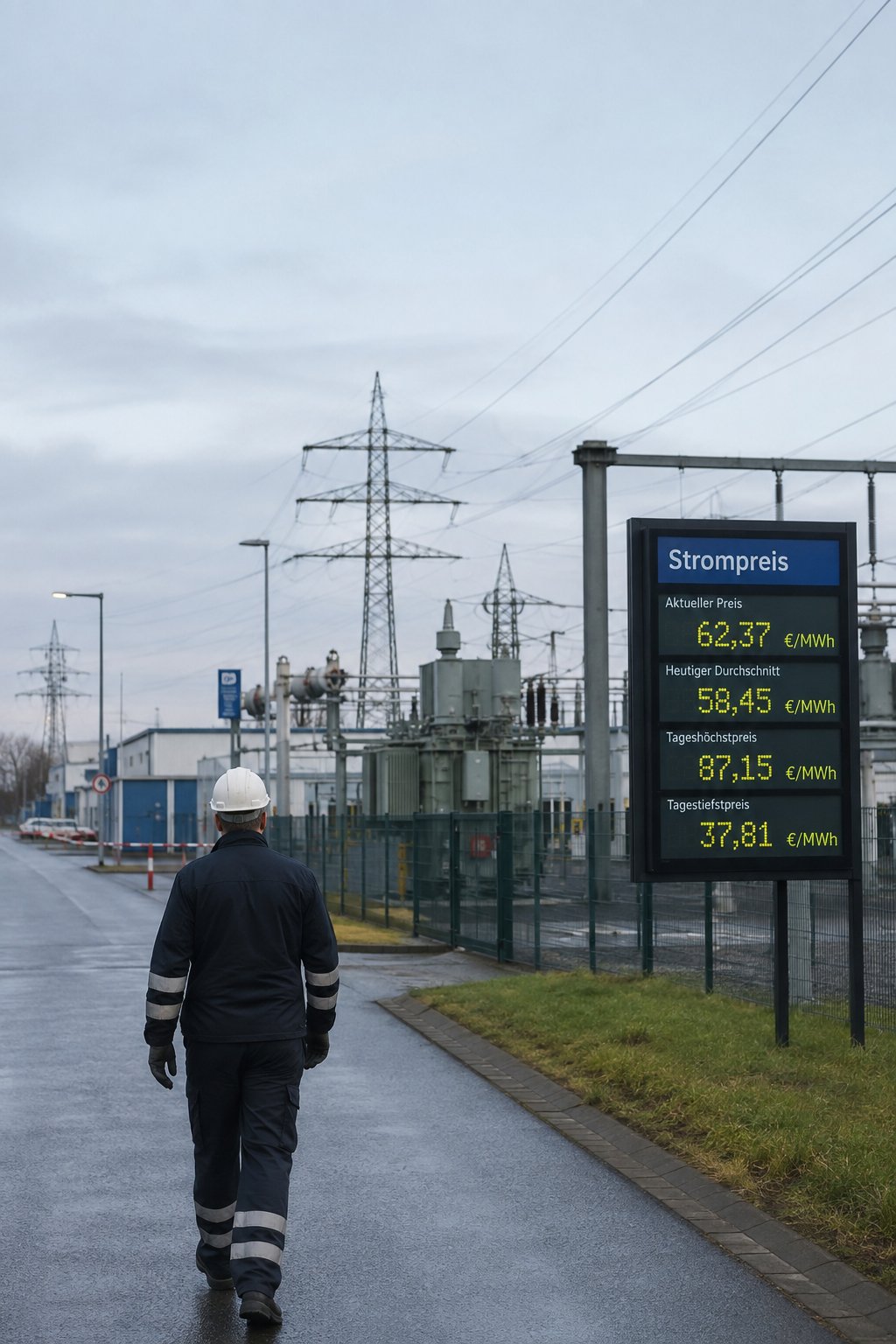
Energy prices
Rising electricity or gas prices hit energy-intensive businesses directly in their costing, often before the effect becomes visible elsewhere.
Learn more →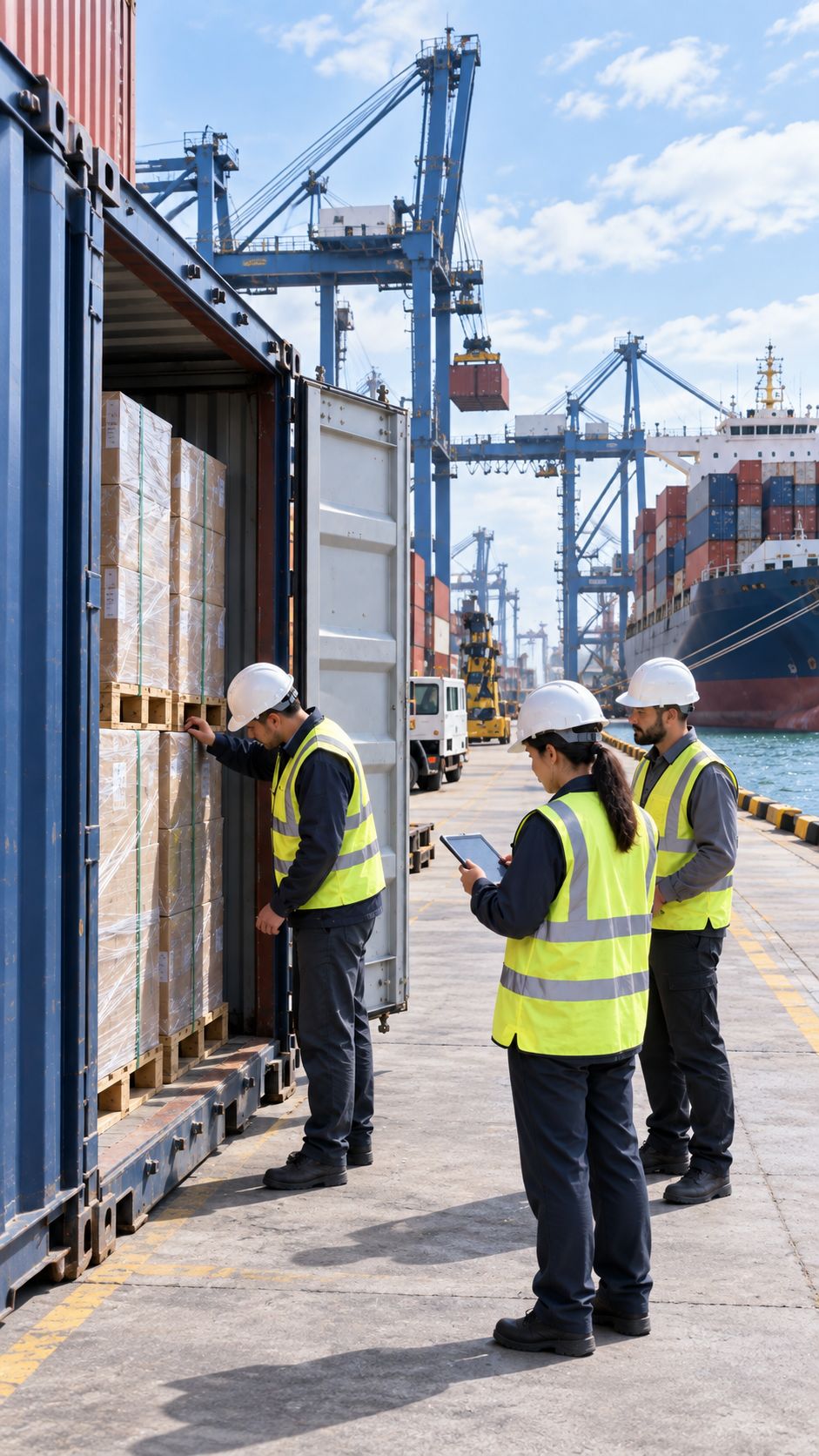
Customs measures
New tariffs or trade restrictions can change import costs and delivery times for affected goods categories in the short term.
Learn more →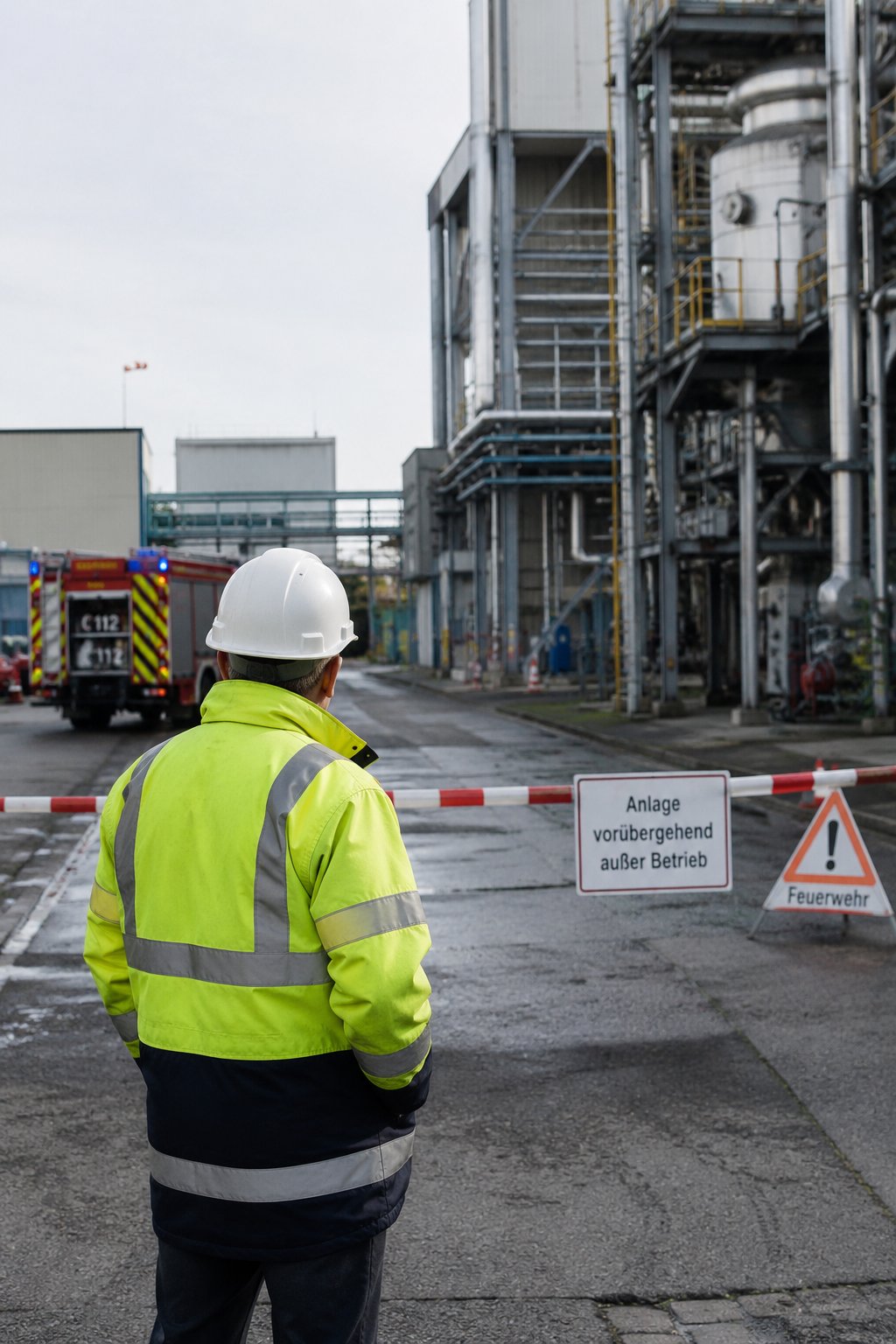
Facility outage
If a facility with high market concentration fails, a sourced intermediate can become temporarily scarce or more expensive.
Learn more →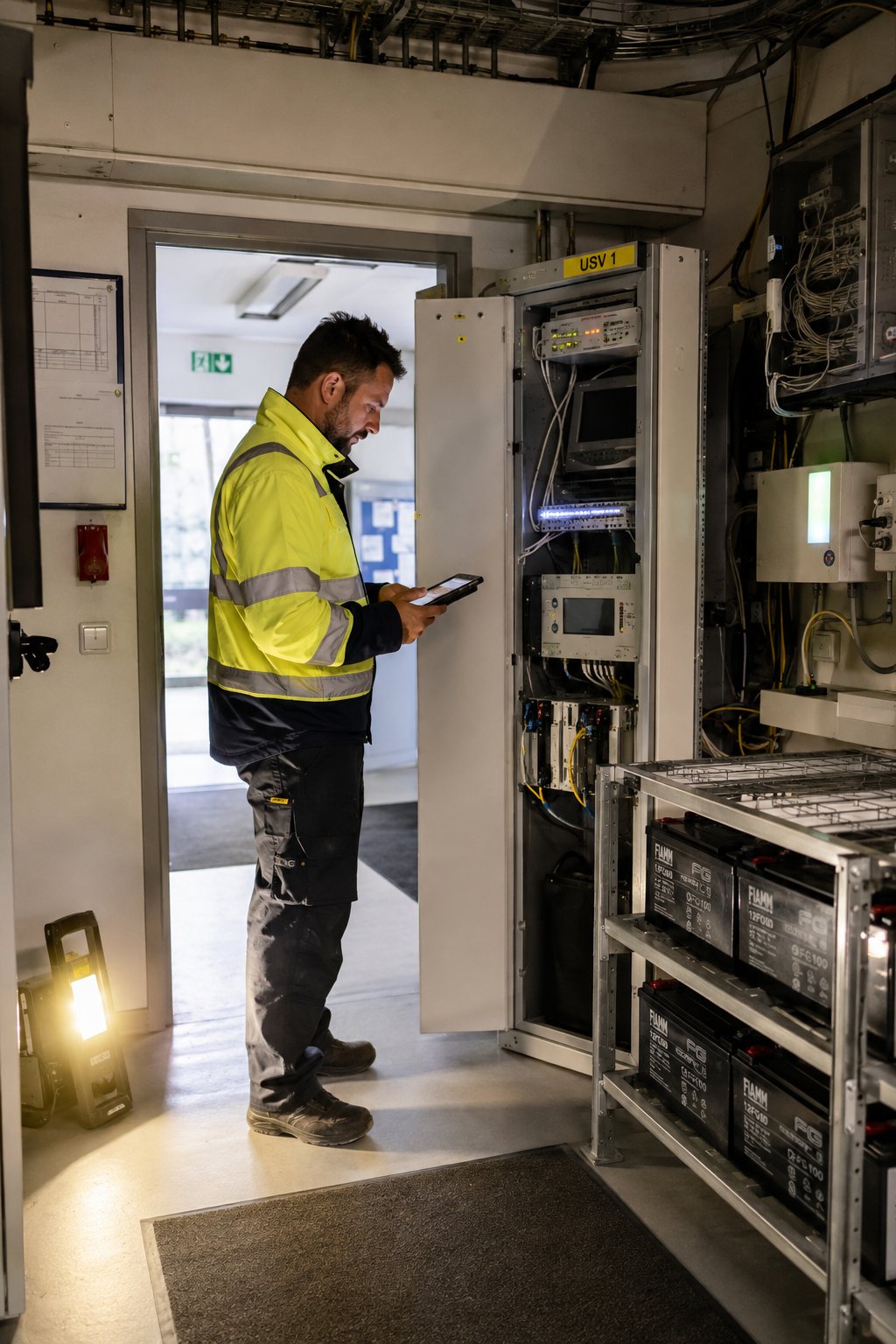
Utility outage
An outage of electricity, gas, water or telecommunications can directly interrupt a business's production and communication.
Learn more →
Exchange rate risks
A shifting exchange rate changes import costs for sourced goods, often faster than a calculation can absorb.
Learn more →