Industry
Early-warning system for food manufacturing
Food manufacturers process agricultural raw materials such as grain, sugar and cooking oil with almost no buffer for cooling and energy – perishable goods tolerate no long delays. SignalChain assesses daily which external developments could become relevant for this industry.
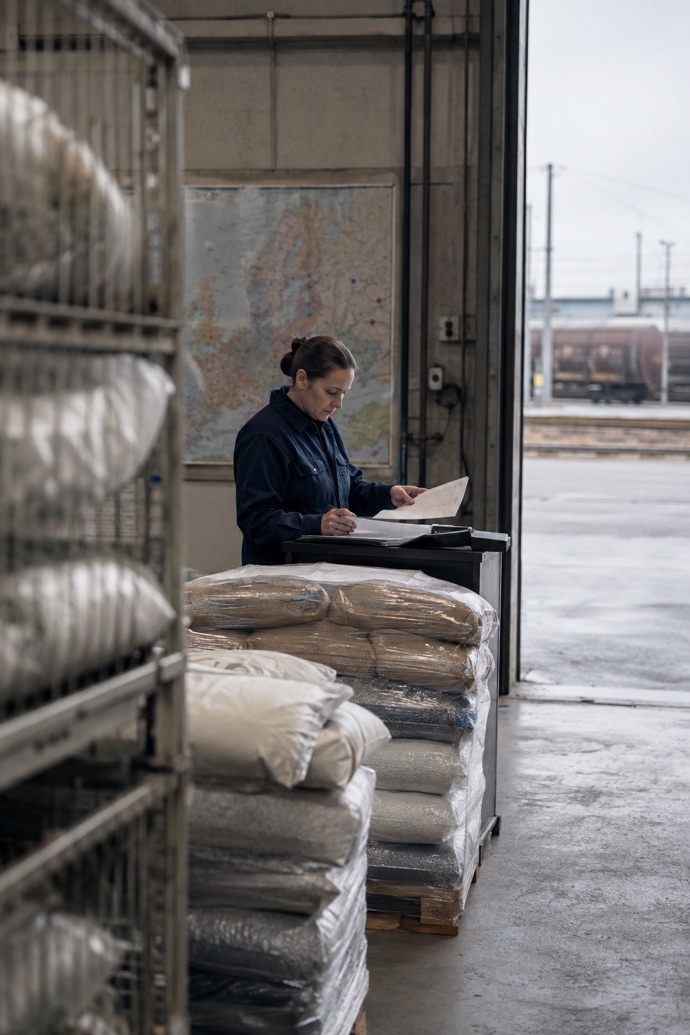
Why is food manufacturing particularly vulnerable?
Raw materials such as grain, sugar and cooking oil come from agriculture and often react more strongly to harvest fluctuations than to individual market events. At the same time, processing is often cooling- and energy-intensive, and perishable intermediate and finished products make any delay in the supply chain costly rather than merely inconvenient.
Assess food manufacturing risks earlier
SignalChain shows you daily which external developments could become relevant to your raw-material supply.
How can this affect a business?
A typical sequence:
The harvest yield itself is officially verifiable; whether and how strongly an individual business reacts depends on its raw-material exposure and inventory reach.
Which risks are particularly relevant for food manufacturing?
- Agriculture and harvest
- Grain, sugar and cooking oil depend directly on weather and harvest yield.
- Storage and spoilage
- Perishable intermediate and finished products make delivery delays costly.
- Energy
- Cooling and processing are energy-intensive and sensitive to price spikes.
How does SignalChain help?
SignalChain monitors drought indices, harvest forecasts and energy prices daily and assesses whether a development could become relevant to your raw-material supply.
For official hazard and disaster warnings, the relevant authorities remain the definitive source; SignalChain does not provide advice for your individual situation.
Assess food manufacturing risks earlier
SignalChain shows you daily which external developments could become relevant to your raw-material supply.
Which raw materials are particularly relevant for food manufacturing?
Grain, sugar and cooking oil – all directly dependent on harvest and weather.
How quickly does a drought affect raw-material costs?
Usually with a delay over the harvest season, but with a noticeable effect on purchasing prices.
Does SignalChain replace an in-house purchasing department?
No, but it takes over the daily monitoring of external developments that otherwise no one in the business would do.