Industry
Early-warning system for packaging manufacturing
Packaging manufacturers depend on plastic granulate that is mostly transported by barge on the Rhine, and are themselves energy-intensive in processing. SignalChain assesses daily which external developments could become relevant for this industry.
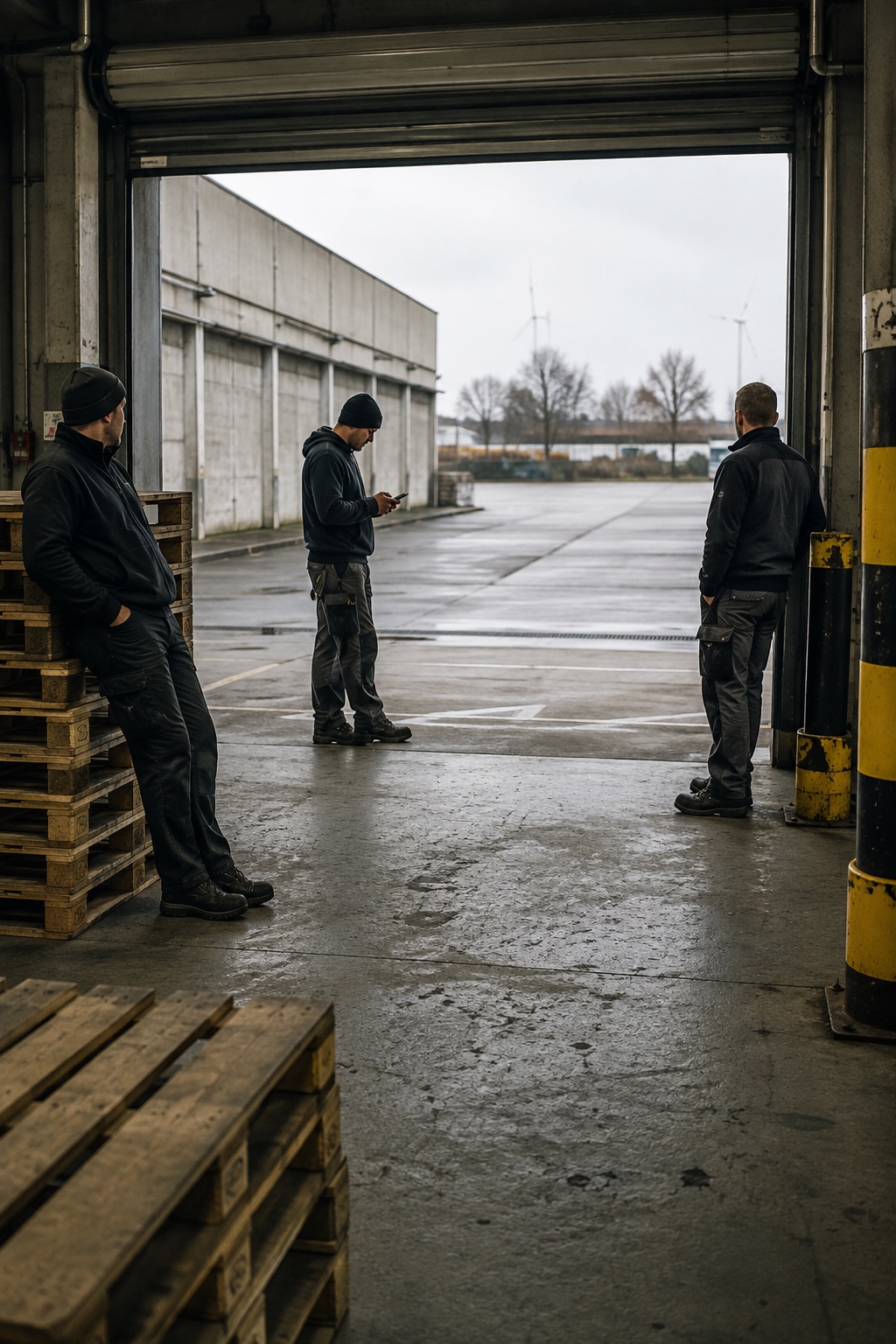
The key points at a glance
- Packaging manufacturers are doubly vulnerable. Dependent on plastic granulate carried by barge on the Rhine and energy-intensive in processing.
- A low Rhine water level delays granulate deliveries. Businesses may then need to switch to truck or rail transport.
- Extrusion and film manufacturing react directly to energy prices. These processing steps are particularly energy-intensive.
- Both channels can occur at the same time. Low water and high energy prices then reinforce each other.
Why is packaging manufacturing particularly vulnerable?
Extrusion and film plants continuously need plastic granulate and large amounts of electricity. If the Rhine water level falls below an economically relevant mark, granulate deliveries can be delayed or become more expensive – alongside possible energy price swings that directly affect production costs.
How can this affect a business?
A typical sequence:
The water level itself is officially measurable; whether and how strongly an individual business is affected depends on its own stock reserves and sourcing route.
Example: when energy prices and the Rhine water level act together
In 2025, the average day-ahead wholesale electricity price in Germany stood at 89.32 euros per megawatt-hour according to the Bundesnetzagentur, 13.8 percent above the previous year; in 40 hours of the year, the price exceeded 300 euros per megawatt-hour. In late summer 2026, the Rhine water level at the Kaub gauge repeatedly fell to historic lows – on 22 September 2026, it reached 10.0 centimetres according to PEGELONLINE (WSV), well below the Gleichwertiger Wasserstand (GlW2022) of 77 centimetres that is decisive for shipping.
For a packaging manufacturer, this means: in such weeks, granulate deliveries by barge can be delayed or become more expensive, while particularly expensive electricity-price hours simultaneously burden extrusion and film-making processes. Both channels run independently of each other but can overlap.
What matters here is not whether both developments are in the news at the same time, but whether the business itself actually sources granulate via the Rhine and has an electricity contract closely tied to spot prices.
Which risks are especially relevant for packaging manufacturing?
- Plastic granulate
- A key input material whose delivery can depend on transport routes and the Rhine water level.
- Energy prices
- Extrusion and film production are energy-intensive steps that can react to electricity prices.
- Transport routes
- Reliance on barge transport for raw material deliveries increases the impact of low-water situations.
How does SignalChain help?
SignalChain monitors the Rhine water level at economically relevant gauges, the wholesale electricity price, and official reports on transport routes every day, and assesses whether a development could become relevant for your granulate procurement.
For official hazard and disaster warnings, the relevant authorities remain the definitive source; SignalChain does not provide advice for your individual situation.
Frequently asked questions about the early-warning system for packaging manufacturing
Why are low water levels relevant for packaging manufacturing?
Because plastic granulate is often delivered by barge on the Rhine, and a low water level can limit loading capacity.
How quickly does a rise in energy prices take effect?
Potentially quickly for energy-intensive steps such as extrusion and film production.
Does SignalChain replace an in-house risk department?
No, but it takes over the daily monitoring of external developments that otherwise no one in the business would have time for.
Sources and data basis
Assess risks for packaging manufacturing earlier
SignalChain shows you daily which external developments could become relevant for your procurement and production.