Industry
Early-warning system for foundries
Foundries melt metal in gas- or electricity-fired furnaces and react almost directly to energy prices; protective and shielding gases add a further cost factor. SignalChain assesses daily which external developments could become relevant for this industry.
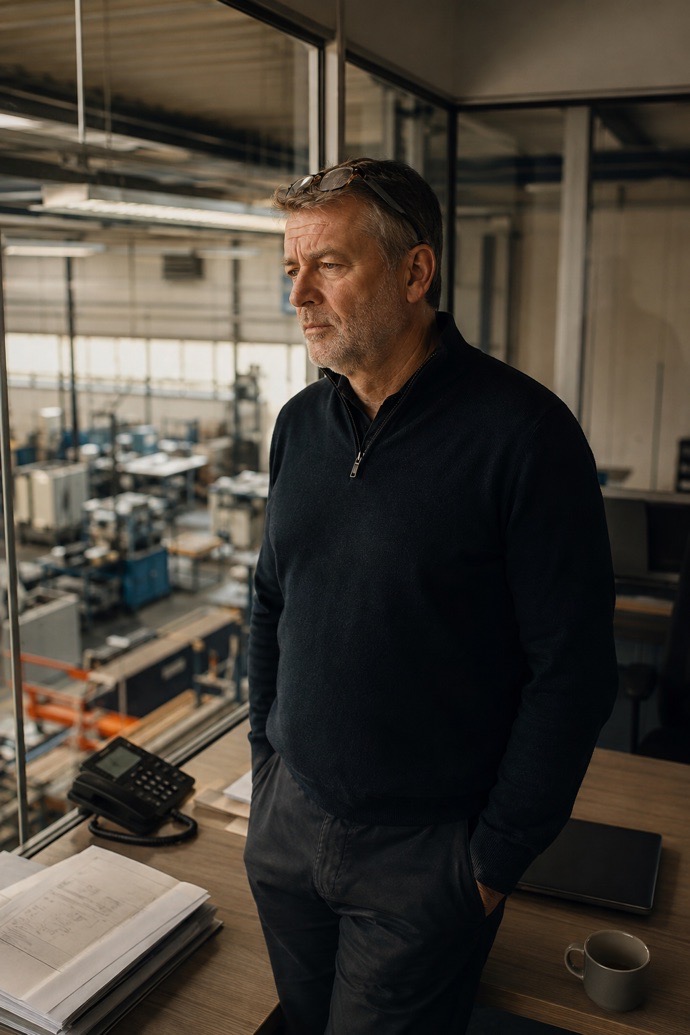
Why are foundries especially vulnerable?
Melting metal is a continuous, energy-intensive process – a furnace cannot be shut down at short notice without endangering the batch in progress. As a result, natural gas and electricity prices feed through to foundries' production costs almost immediately. Industrial gases for protective atmospheres add a further cost and availability risk of their own.
Assess foundry risks earlier
SignalChain shows you daily which external developments could become relevant for your melting operations.
How can this affect a business?
A typical sequence:
The price figure itself is officially recorded; whether and how strongly an individual business reacts depends on its own energy profile and furnace utilisation.
Which risks are especially relevant for foundries?
- Natural gas prices
- Melting furnaces run mostly on gas and react to price spikes with almost no delay.
- Electricity prices
- Auxiliary equipment, and in some cases melting itself, also depends on the wholesale electricity price.
- Industrial gases
- Shielding and moulding gases for the casting process can constrain production if supply is disrupted.
How does SignalChain help?
SignalChain monitors natural gas and wholesale electricity prices daily, together with official reports on plant outages at energy and gas suppliers, and assesses whether a development could become relevant for your business.
For official hazard and disaster warnings, the relevant authorities remain the definitive source; SignalChain does not provide advice for your individual situation.
Assess foundry risks earlier
SignalChain shows you daily which external developments could become relevant for your melting operations.
Why do foundries react so quickly to energy prices?
Because melting furnaces must run continuously and cannot be shifted to cheaper periods at short notice.
What role do industrial gases play?
They are needed for protective atmospheres during casting; shortages can constrain production independently of the energy price.
Does SignalChain replace an in-house risk department?
No, but it takes over the daily observation of external developments that otherwise no one in the business would perform.