Customs
Customs measures as a procurement and competitive risk
A new customs measure is initially just an entry in the EU customs tariff. It becomes economically relevant for a company only once a commodity code is affected that is actually imported or that the company competes against – regardless of which country triggered the measure.
Customs measures can become relevant for companies when a measure recorded in the EU customs tariff TARIC, such as a provisional anti-dumping duty, affects a commodity code that is actually imported. What matters is not the political origin of the measure, but whether a traceable impact chain reaches the company's own procurement or sales.
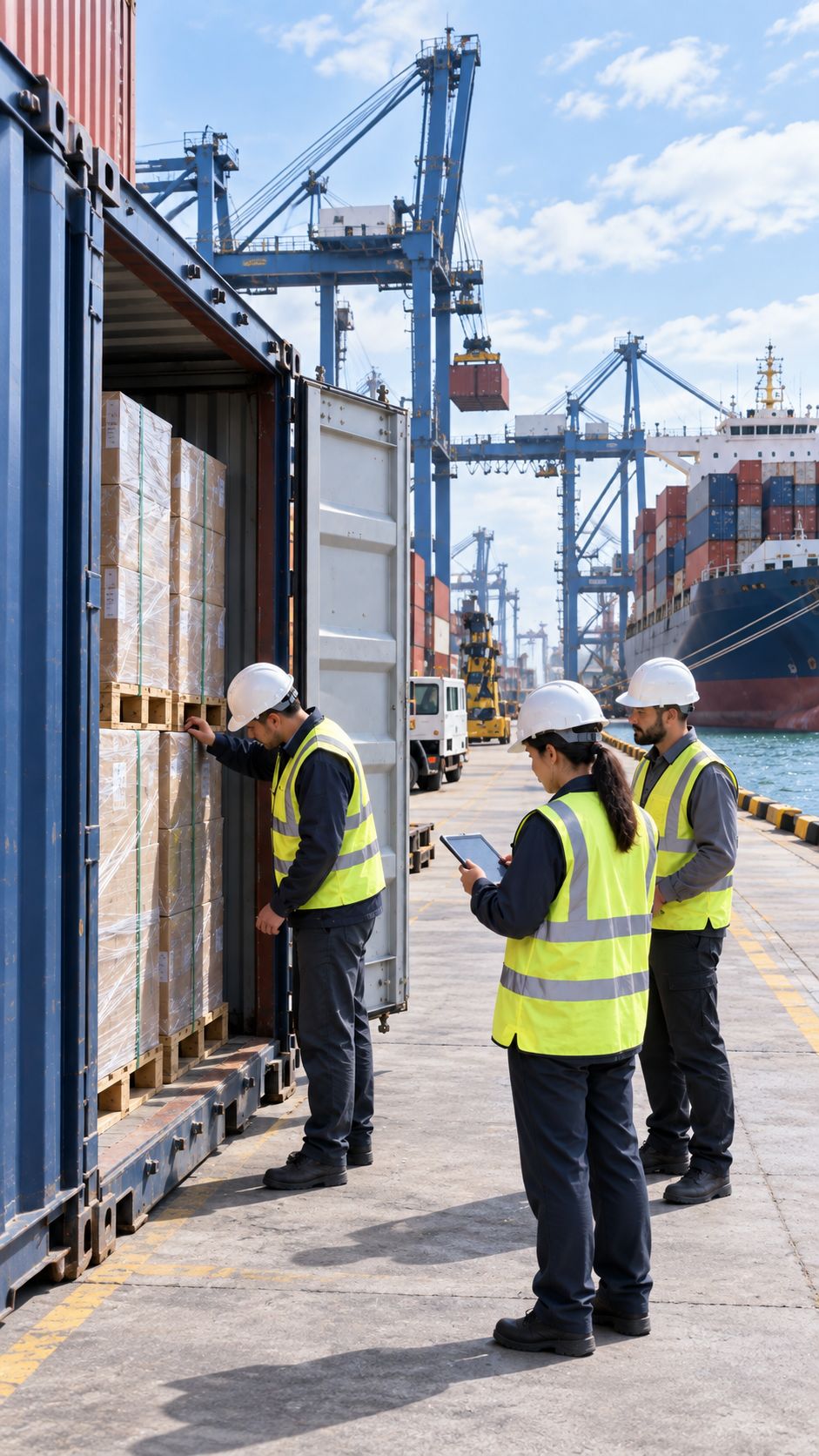
What is relevant for companies about customs measures?
TARIC, the European Commission's integrated customs tariff, records provisional anti-dumping duties on individual commodity codes, among other things. Such an entry is initially just a yes/no flag: a measure either applies to a given commodity code or it does not – the level or scale is not yet stated. What matters for a company is whether it imports exactly that commodity code, competes with suppliers affected by it, or would need to switch its own inputs to a different commodity code or country of origin. What counts is the specific commodity code in the company's own purchasing, not the general trade-policy situation.
Keep customs risks to procurement and sales in view
SignalChain monitors relevant external developments daily and gets in touch as soon as it becomes relevant for your business.
What economic consequences can customs measures have?
- higher import prices for the affected commodity code
- competitive disadvantage against suppliers without a duty burden on the same goods
- shifting procurement to alternative countries of origin or commodity codes
- delayed customs clearance from tighter checks on affected goods categories
- margin pressure under fixed-price contracts that do not absorb a duty increase
- additional documentation and proof requirements for the origin of goods
- possible countermeasures by affected trading partners on other goods classes
How does the economic effect arise?
A typical sequence:
The TARIC entry itself is documented; whether the company's own procurement or competitive position is affected depends on whether the specific commodity code is actually imported or traded, and remains a possible, not an automatic, consequence.
Which industries are particularly exposed to customs measures?
Particularly exposed are businesses with an import share in the specific commodity code: wholesale trade, when a traded goods category falls under a new measure (early-warning system for wholesale trade); technical trade and specialist trade, when imported components or spare parts are affected (early-warning system for technical trade); chemicals, since anti-dumping duties frequently affect chemical intermediates (early-warning system for chemicals); and metalworking, because steel and metal commodity codes are regularly the subject of such measures (early-warning system for metalworking). In every case, what matters is the specific commodity code in the company's own purchasing, not industry membership alone.
What early indicators exist?
- New TARIC measures (e.g. provisional anti-dumping duties)
- Every new entry marks a changed duty burden for a specific commodity code.
- Amendment or repeal of an existing measure
- Shows whether the burden on a commodity code may be tightening or easing.
- Publication in the EU Official Journal
- The official point in time from which a measure is legally in force.
- Matching the affected commodity code against the company's own procurement profile
- Determines whether a measure can be relevant for the individual business at all.
- Number of simultaneously active measures per goods category
- Serves as an indicator of whether a goods category as a whole is under heavier scrutiny.
When is a customs measure genuinely relevant for a business?
Only when the company's own imported or traded commodity code is actually covered by a TARIC measure. A customs measure without that link remains without consequence for the individual business – regardless of how politically significant it is or which country is involved. What matters is matching the company's own commodity code against the TARIC entry, not the general trade situation.
How does SignalChain help?
SignalChain evaluates TARIC entries from the European Commission as soon as new measures such as provisional anti-dumping duties are published, and assesses whether an affected commodity code could match the company's own procurement or sales profile. The assessment applies EU-wide for the named commodity code – TARIC entries do not distinguish by region or site, only by commodity code.
For official hazard and disaster warnings, the relevant authorities remain the definitive source; SignalChain does not provide advice for your individual situation.
Keep customs risks to procurement and sales in view
SignalChain monitors relevant external developments daily and gets in touch as soon as it becomes relevant for your business.
How far does SignalChain's coverage of customs measures reach?
SignalChain evaluates TARIC entries EU-wide as soon as they are published. The assessment applies to the specific affected commodity code, not to an industry or country as a whole.
When does a customs measure become relevant for a business?
When the company's own imported or traded commodity code is actually covered by a TARIC measure – not simply because of the measure's political significance.
Which industries are particularly exposed to customs measures?
Mainly wholesale, technical and specialist trade with an import share, as well as chemicals and metalworking, whose commodity codes are frequently the subject of anti-dumping measures.
How does this differ from an official customs notice?
The official TARIC entry lists the measure for a commodity code. SignalChain additionally assesses whether that commodity code could match the company's own procurement profile.
Does SignalChain replace customs consulting?
No. For binding tariff classification and case-specific advice, customs authorities and specialist consultants remain the definitive source.