Cold
Cold and frost as a construction and energy risk
Cold and frost are first and foremost a weather pattern. They become economically relevant when outdoor construction work has to stop, the ground freezes, heating energy demand rises, or icy conditions slow transport – not simply because the temperature falls below zero.
Cold and frost can become relevant for businesses when they affect outdoor construction work, groundwork, energy demand, or transport. What matters is not the absolute temperature alone, but whether it is unusual for the season at the relevant station, and whether a traceable impact chain reaches the business.
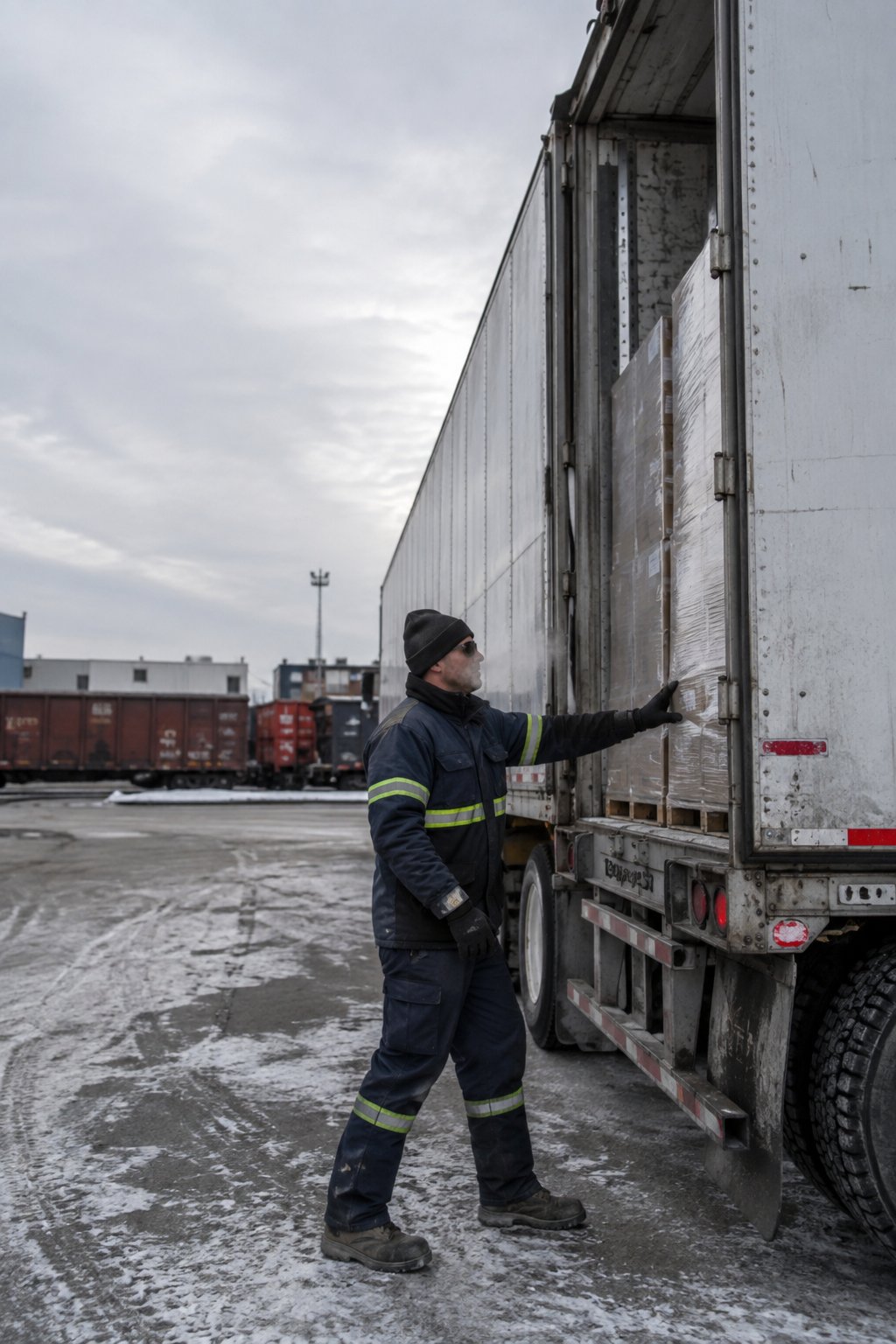
What matters for businesses during cold and frost?
It is not the sub-zero reading itself that matters, but its consequences for construction processes, groundwork, energy demand and transport routes. Frost can extend concrete curing times or halt outdoor work temporarily, frozen ground makes civil-engineering groundwork harder, and icy roads can slow road and rail traffic. Whether an economic effect occurs depends on whether the value is unusual for the season at the relevant station, not on a fixed temperature threshold.
Keep cold and frost risks in view every day
SignalChain monitors relevant external developments daily and notifies you as soon as something becomes relevant for your business.
What economic consequences can cold have?
- interruption of outdoor concrete and masonry work due to frost
- longer curing times and consequently delayed construction schedules
- harder groundwork in civil engineering due to frozen soil
- higher heating energy demand and consequently rising energy costs
- icy-road risk for road and rail transport
- possible staff absences or delays from weather-related commuting problems
How does the economic effect arise?
A typical sequence:
The threshold breach at the station itself is evidenced; whether it leads to construction delays or higher costs for an individual business is a possible, not a certain, consequence.
Which industries are particularly affected by cold and frost?
Particularly affected are industries with outdoor construction processes and high energy demand: general contracting, when frost interrupts concrete and masonry work (see early-warning system for general contracting); civil engineering, when frozen ground makes groundwork harder (see early-warning system for civil engineering); masonry, when curing times lengthen (see early-warning system for masonry); logistics, when icy conditions slow transport routes (see early-warning system for logistics); and energy-intensive manufacturing, when heating energy demand rises noticeably. Here too, what matters is the business's own exposure, not industry membership alone.
What early indicators are there?
- DWD-MOSMIX forecast of the daily minimum temperature
- Provides the forecast temperature (daily minimum) several days ahead, nationwide at many stations.
- Station-specific 10th percentile
- The seasonal benchmark: whether a value is unusually low for the season at this station.
- Trigger threshold of 3 degrees Celsius below the percentile
- The threshold above which a cold spell counts as notable and triggers a candidate.
- Nationwide station density with long history
- Enables the seasonal comparison at many locations at once, not just at individual measuring points.
- Official frost and ice warnings
- Additional official context for the weather situation, alongside the station-specific comparison.
When is cold really relevant for a business?
Only when a traceable impact chain reaches the business itself: outdoor construction processes, groundwork, high heating energy demand, or dependence on transport routes that icy conditions can slow. A sub-zero reading alone, without such a link, is usually economically inconsequential – what matters is whether the value is unusual for the season at the relevant station.
How does SignalChain help?
SignalChain evaluates the DWD-MOSMIX temperature forecast (daily minimum) nationwide at numerous stations with a long history and compares it against the station-specific 10th percentile. If the forecast falls at least 3 degrees Celsius below this percentile, a candidate is created with seasonal context – not just the current value, but whether it is unusual for the season at this location.
For official hazard and disaster warnings, the relevant authorities remain the definitive source; SignalChain does not provide advice for your individual situation.
Keep cold and frost risks in view every day
SignalChain monitors relevant external developments daily and notifies you as soon as something becomes relevant for your business.
Does SignalChain cover temperature nationwide?
Yes. The DWD-MOSMIX forecast and the station-specific comparison value are available for numerous stations across Germany with a long history.
When does cold become relevant for a business?
When outdoor construction processes, groundwork, energy demand or transport routes are affected – and when the value is unusual for the season at the relevant station, not with every frost.
Which industries are particularly affected by cold and frost?
Mainly general contracting, civil engineering and masonry with outdoor work, as well as logistics with icy-road risk and energy-intensive manufacturing with higher heating demand.
How does this differ from an official frost warning?
Official warnings report the weather situation itself. SignalChain additionally assesses whether the value is unusual for the season, comparing it against the station-specific seasonal percentile.
Does SignalChain replace official warnings?
No. For official weather and safety warnings, the relevant authorities remain the definitive source.