Heat
Heat as a business and energy-cost risk
Heat is initially just a weather situation. It becomes economically relevant when electricity demand and cooling needs rise, occupational safety rules for outdoor work kick in, or cold chains and thermal power plants reach their limits – not simply through the time of day with the highest temperature.
Heat waves can become relevant for businesses when they affect energy consumption, outdoor work capacity or cold chains. What matters is not the absolute temperature alone, but whether it is unusual for the season at the relevant station, and whether a traceable impact chain reaches the business.
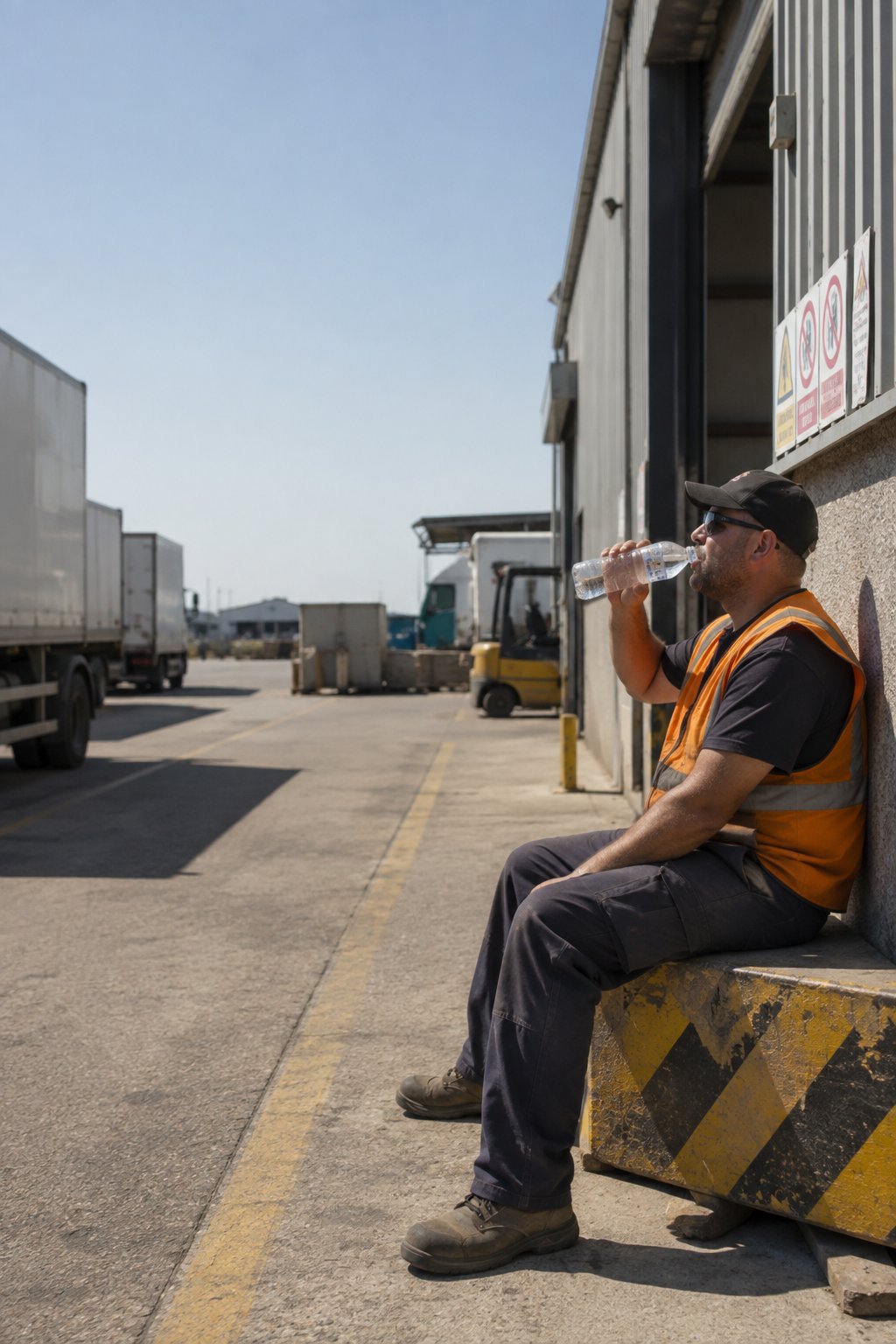
What matters for businesses about heat?
It is not the absolute temperature that matters, but its consequences for energy consumption, outdoor work capacity and temperature-sensitive processes. Heat can raise electricity demand and cooling needs simultaneously, trigger occupational safety rules for outdoor work, or push cold chains and thermal power plants to their limits. Whether an economic effect arises depends on whether the value is unusual for the season at the relevant station, not on a fixed temperature threshold.
Keep heat risks in view every day
SignalChain monitors relevant external developments daily and gets in touch as soon as something becomes relevant to your business.
What economic consequences can heat have?
- rising electricity demand from increased cooling needs
- possible bottlenecks in cooling water for thermal power plants
- declining labour productivity for outdoor work
- heat-protection rules that shorten or shift outdoor working hours
- risks to cold chains for food and temperature-sensitive goods
- higher energy costs for production and cooling
- possible process or material limits in heat-sensitive manufacturing
How does the economic effect arise?
A typical sequence:
What is documented is the exceedance of the threshold at the station itself; whether this leads to higher costs or production problems for the individual business is a possible, not a certain, consequence.
Which industries are particularly affected by heat?
Particularly affected are industries with high energy or cooling needs and with outdoor work: energy-intensive manufacturing, when electricity demand and cooling needs rise simultaneously; the construction sector, when heat-protection rules restrict outdoor work (see early-warning system for construction); logistics, when cold chains for temperature-sensitive goods come under pressure (see early-warning system for logistics); food manufacturing, when cooling processes within production itself are affected (see early-warning system for food manufacturing); and data centres, whose cooling needs rise with outdoor temperature (see early-warning system for data centres). Here too, what matters is the actual link, not industry membership alone.
What early indicators are there?
- DWD-MOSMIX forecast of daily maximum temperature
- Provides the forecast daily maximum temperature for heat periods several days ahead, nationwide at many stations.
- Station-specific 90th percentile
- The seasonal comparison benchmark: whether a value is unusual for the season at this station.
- Trigger threshold of 3 degrees Celsius above the percentile
- The threshold above which a heat period counts as notable and triggers a candidate.
- Nationwide station density with long history
- Enables the seasonal comparison at many locations simultaneously, not just at individual measurement points.
- Official heat warnings
- Supplementary official assessment of the weather situation, alongside the station-specific comparison.
When does heat actually matter for a business?
Only when a traceable impact chain reaches the business itself: high cooling needs, outdoor work, temperature-sensitive products, or a dependence on energy prices that can rise under heat stress. A high temperature alone, without such a link, usually has no economic consequence – what matters is whether the value is unusual for the season at the relevant station, not a fixed temperature threshold.
How does SignalChain help?
SignalChain evaluates the DWD-MOSMIX forecast of daily maximum temperature for heat periods nationwide at numerous stations with a long history, comparing it against the station-specific 90th percentile. If the forecast exceeds this percentile by at least 3 degrees Celsius, a candidate is created with seasonal context – not just the current value, but whether it is unusual for the season at that location.
For official hazard and disaster warnings, the relevant authorities remain the definitive source; SignalChain does not provide advice for your individual situation.
Keep heat risks in view every day
SignalChain monitors relevant external developments daily and gets in touch as soon as something becomes relevant to your business.
Does SignalChain cover heat nationwide?
Yes. The DWD-MOSMIX forecast and the station-specific comparison value are available for numerous stations across Germany with a long history.
When does heat become relevant for a business?
When electricity demand, cold chains or outdoor work capacity are affected – and when the value is unusual for the season at the relevant station, not for every high temperature.
Which industries are particularly affected by heat?
Mainly energy-intensive manufacturing, construction and logistics with cold chains, plus food manufacturing and data centres with high cooling needs.
How does this differ from an official heat warning?
Official warnings report the weather situation itself. SignalChain additionally compares against the station-specific, seasonal percentile and assesses whether the value is unusual for the season.
Does SignalChain replace official warnings?
No. For official weather and health warnings, the relevant authorities remain the definitive source.