Earthquake
Earthquakes as a risk to international intermediates
Germany itself sees little seismic activity, so an earthquake rarely becomes relevant for a German business at its own site – instead it matters through intermediates sourced from more strongly affected countries. GDACS records earthquakes worldwide and provides the basis for this monitoring.
An earthquake can become relevant for German companies when an intermediate is sourced from the affected country or region. What matters is not the magnitude of the quake alone, but whether a traceable impact chain reaches the company's own procurement.
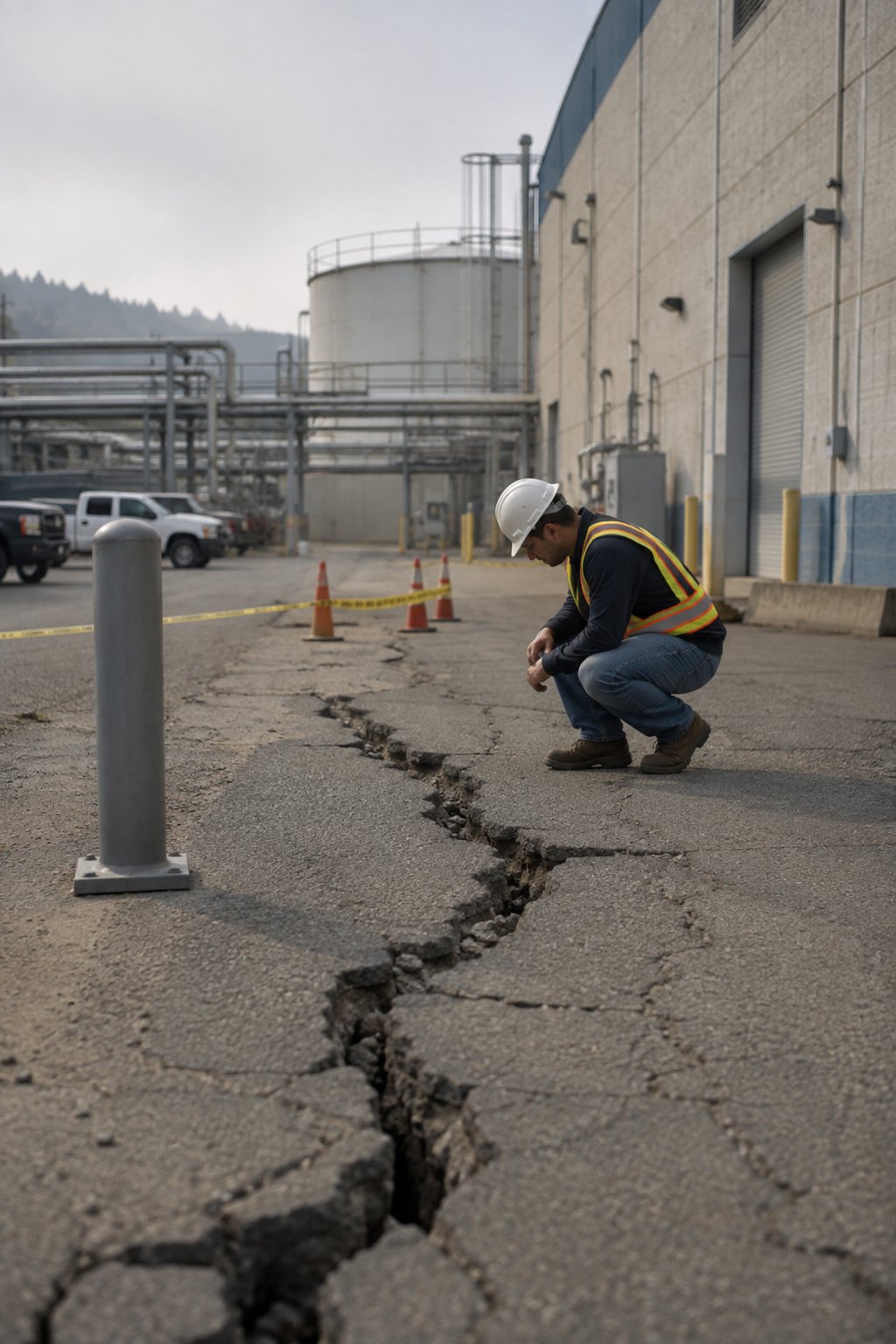
What is relevant for companies about an earthquake?
Because Germany itself sees little seismic activity, an earthquake generally does not affect German businesses at their own site, but through the supply chain: when an intermediate is sourced from the affected country or region and production or transport infrastructure there is disrupted.
GDACS records earthquakes worldwide by magnitude, depth and region. An earthquake becomes relevant for a specific business only once that region is recorded as a country of origin for a goods class in the company's own profile.
Keep an eye on earthquake risks to your intermediates every day
SignalChain monitors relevant external developments daily and gets in touch as soon as it becomes relevant for your business.
What economic consequences can an earthquake have?
- production outages at intermediate manufacturers in the affected country
- disrupted transport infrastructure such as ports and rail lines in the region
- delays in international supply chains
- price pressure on highly concentrated sourcing
- longer replacement lead times with alternative suppliers
- insurance and liability questions for affected suppliers
- quality fluctuations from sourcing substituted at short notice
How does the economic effect arise?
A typical sequence:
The earthquake itself and its magnitude are documented; whether an intermediate is sourced from the affected country, and how strongly the company's own supply chain reacts, depends on its own sourcing and remains a possible, not a certain, consequence.
Which industries are particularly exposed to earthquakes?
Particularly exposed are industries with international sourcing for intermediates: metalworking and mechanical engineering, which often depend on specialised suppliers from particular countries (read more, read more); plastics processing and chemicals, whose raw materials partly come from a handful of countries (read more, read more); and technical trade, which bundles international goods flows (read more). What matters is whether the company's own procurement actually comes from the affected region.
What early indicators exist?
- GDACS earthquake reports
- Record magnitude, depth and affected region worldwide, regardless of country of origin.
- Countries of origin for intermediates
- Matching whether the affected country is recorded as a sourcing region for goods classes in a business's profile.
- Affected transport infrastructure
- Ports and rail lines in the region show whether the flow of goods is disrupted.
- Concentration class of the sourcing region
- Shows whether realistic alternative suppliers from other countries are available at short notice.
When is an earthquake genuinely relevant for a business?
Only when an intermediate actually in use is sourced from the affected country or region – not simply because of the quake's magnitude or its prominence in the news. An earthquake without a link to the company's own procurement usually remains economically inconsequential for a German business.
How does SignalChain help?
SignalChain monitors GDACS earthquake reports worldwide and matches the affected region against the countries of origin for intermediates in the business profile. Since Germany itself sees little seismic activity, the focus is on external sourcing countries, not domestic sites.
For official hazard and disaster warnings, the relevant authorities remain the definitive source; SignalChain does not provide advice for your individual situation.
Keep an eye on earthquake risks to your intermediates every day
SignalChain monitors relevant external developments daily and gets in touch as soon as it becomes relevant for your business.
Why does SignalChain monitor earthquakes when Germany is barely affected?
Because many German businesses source intermediates from countries with higher seismic risk. What matters is not the German site, but the country of origin of the sourcing.
Where exactly does SignalChain monitor earthquakes?
Worldwide via GDACS, focused on the countries of origin for intermediates recorded in a business's profile.
When is an earthquake relevant for my business?
When an intermediate you use comes from the affected country or region.
Which industries are particularly exposed to earthquakes?
Mainly metalworking, mechanical engineering, plastics processing, chemicals and technical trade with international sourcing.
Does SignalChain replace official disaster warnings?
No. For binding warnings on the ground, the responsible national and international authorities remain the definitive source.